
Malawi and Burkina Faso Advance Recognition of Prior Learning Frameworks
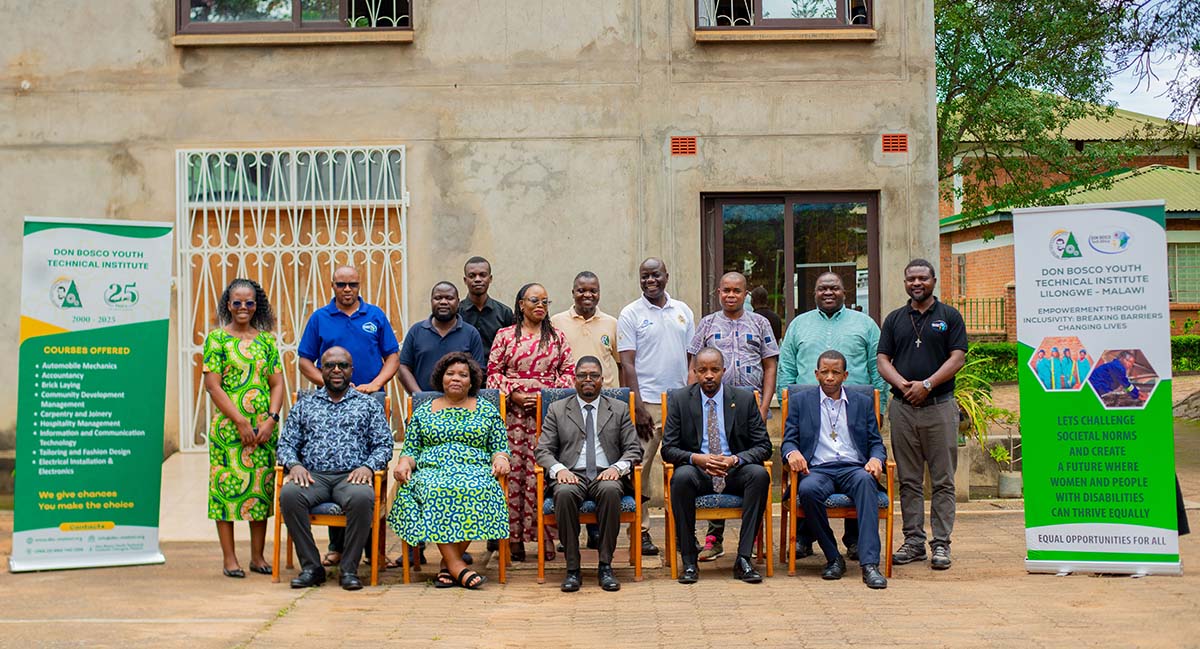
The governments of Malawi and Burkina Faso, in collaboration with Don Bosco Tech Africa (DBTA), have successfully concluded a series of high-level workshops to establish National Recognition of Prior Learning (RPL) frameworks. This initiative marks a systemic shift toward validating the invisible expertise of thousands of workers in the informal economy, bridging the gap between raw talent and official certification.
Workers with expertise gained in the informal sector, which has long been the backbone of both nations’ economies, have historically been side-lined due to a lack of formal credentials. Under this new framework, this problem is addressed. While Malawi’s strategy focuses on promoting lifelong learning and equitable job allocation, Burkina Faso is targeting increased industrial productivity by certifying its non-formal workforce. By removing rigid academic entry requirements, the RPL policy ensures that competencies gained through years of field experience are finally recognised as equivalent to those acquired through traditional classroom learning.
Don Bosco Tech Africa (DBTA) has served as the strategic and technical backbone of this transition. Utilising a modern digital transformation approach, DBTA is integrating advanced tools to manage the RPL process, ensuring it is both scalable and transparent. Beyond the initial policy design, the partnership has established technical working groups and sustainable financing mechanisms to ensure these frameworks remain a permanent fixture of the national education and Labor systems; not merely a symbolic gesture, but a tool for radical inclusion regardless of where one has learned a skill but fostering a more equitable socio-economic landscape and ensuring fair compensation based on verified skills.
As the frameworks move into the implementation phase, the Labor markets in both Malawi and Burkina Faso are expected to see improved transparency and increased mobility for workers. This initiative stands as a model for continental cooperation in addressing the systemic barriers of the informal economy.


 English
 Français
 Português
 Kiswahili