
From Commitment to Practice: Deepening Inclusivity, Sustainability and Skills Recognition in African TVET
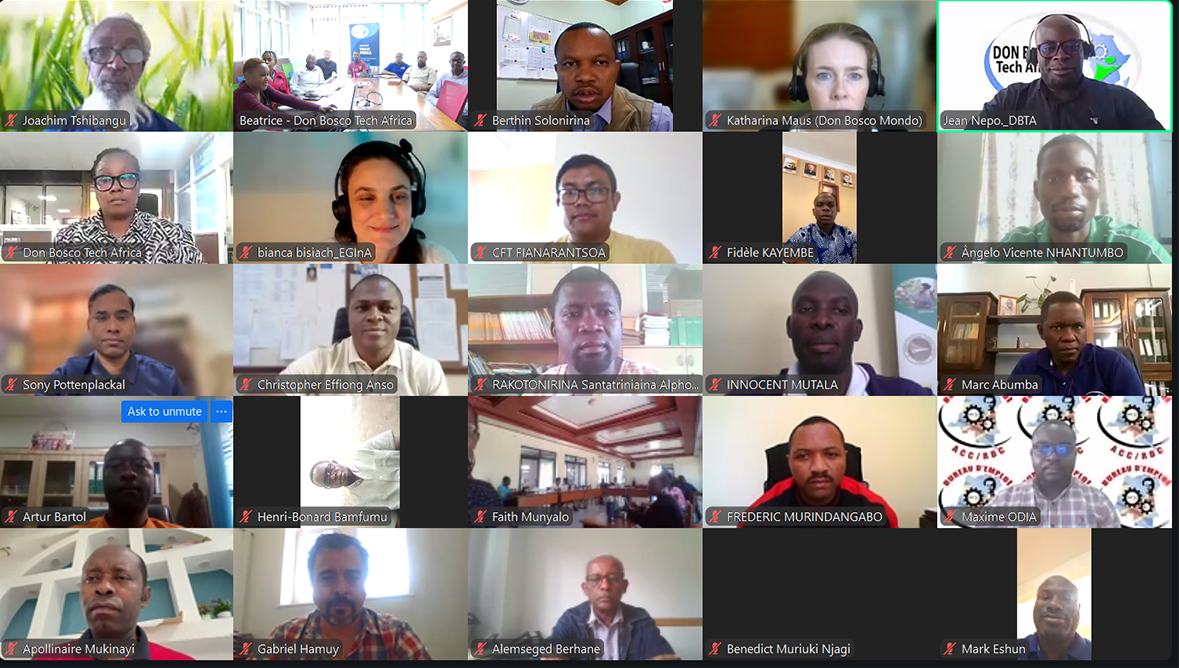
Don Bosco Tech Africa held its online Annual Stakeholders Assembly (ASA) on 25 and 26 March 2026, with the guiding theme “From Commitment to Practice: Deepening Inclusivity, Sustainability and Skills Recognition in African TVET”, bringing together international stakeholders in TVET, industry experts, partners, and representatives from various government agencies. The meeting was moderated by Jean Nepomuscene, Project Officer at Don Bosco Tech Africa.
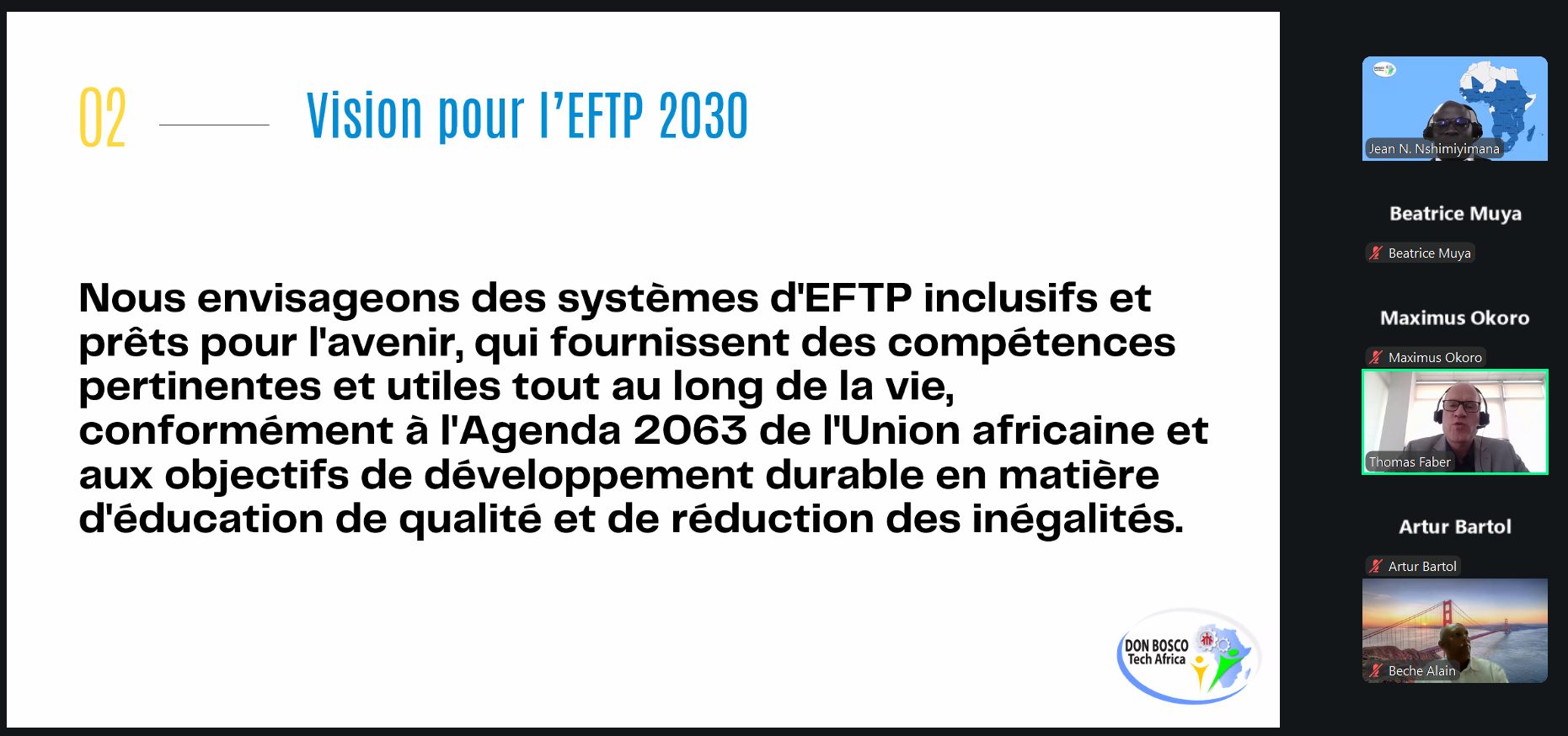
In his opening remarks, Fr. Maximus Okoro, Director of Don Bosco Tech Africa, emphasised the need for TVET systems that respond to real social and economic demands. He pointed to key priorities including the recognition of prior learning, the integration of digital tools, the promotion of green skills, and stronger partnerships. He noted that while progress has been made, many systems still face limitations in coordination, resources, and capacity, making it necessary to focus on practical and scalable solutions.
A central discussion on recognition of prior learning (RPL) was led by Mr. Patrick Mputeni, Director of Quality Assurance, TEVET Authority Malawi, who shared Malawi’s experience in developing and piloting its RPL system. He outlined how the initiative has enabled individuals with informal skills to be assessed and certified across trades such as bricklaying, fabrication and welding, tailoring and fashion design, automobile mechanics, plumbing, food production, carpentry and joinery. He also addressed challenges, including assessment costs and low female participation especially in traditionally male-dominated trades. He suggested specific interventions, including scholarships, may be necessary to encourage greater female participation. Ongoing efforts to finalise the national RPL policy in collaboration with Don Bosco were highlighted as a critical next step.
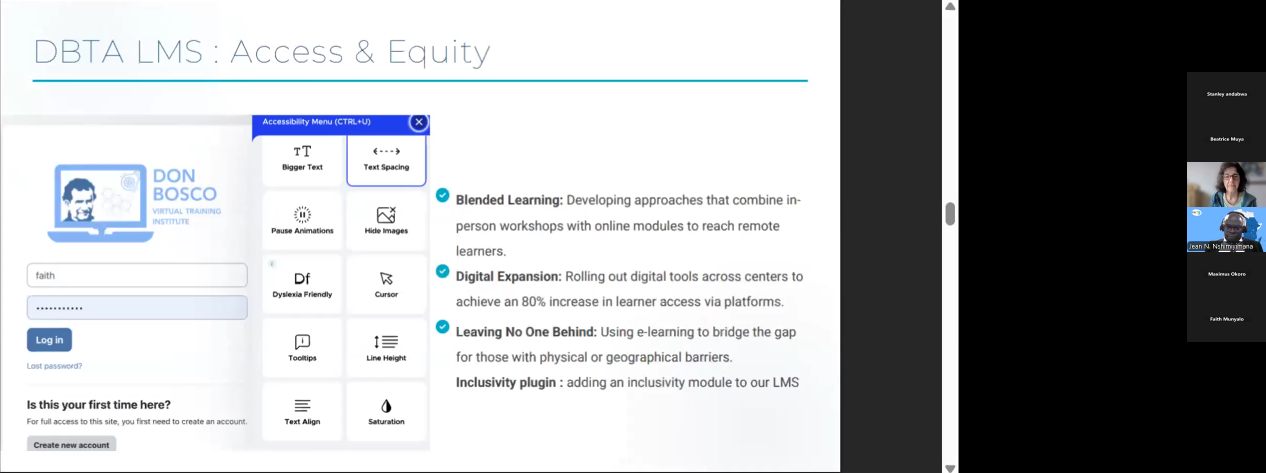
Ms. Faith Munyalo, Don Bosco Tech Africa E-learning Developer, presented the digital tools and initiatives DBTA offers, highlighting the learning management system (LMS), the integration of artificial intelligence (AI), and virtual reality. She also emphasised strategic partnerships with leading global technology organisations, including Festo, Cisco, and Electude. Mr. Dimitri Ogg, Commercial Director Electude, complemented this by demonstrating interactive solutions for automotive training and sharing practical approaches to improving adoption among instructors and learners. He further highlighted that Electude Inspire, in collaboration with DB Tech Africa, in 2026 and 2027, will offer free training for all trainers and trainees in automotive in the DBTA network.
On the second day, Ms. Judith Otieno from Acumen Pulse presented findings from a baseline study on gender equity and inclusion across five countries (Kenya, Nigeria, DRC, Chad and Malawi). Her analysis revealed strong policy commitments but gaps in implementation, particularly in areas such as infrastructure, safeguarding, and inclusive teaching practices. Contributions from Mr. Jules Mandiedika, Managing Director of the MOSALA Resource Centre in the Democratic Republic of Congo, provided additional insight into how inclusion is being approached within national systems.
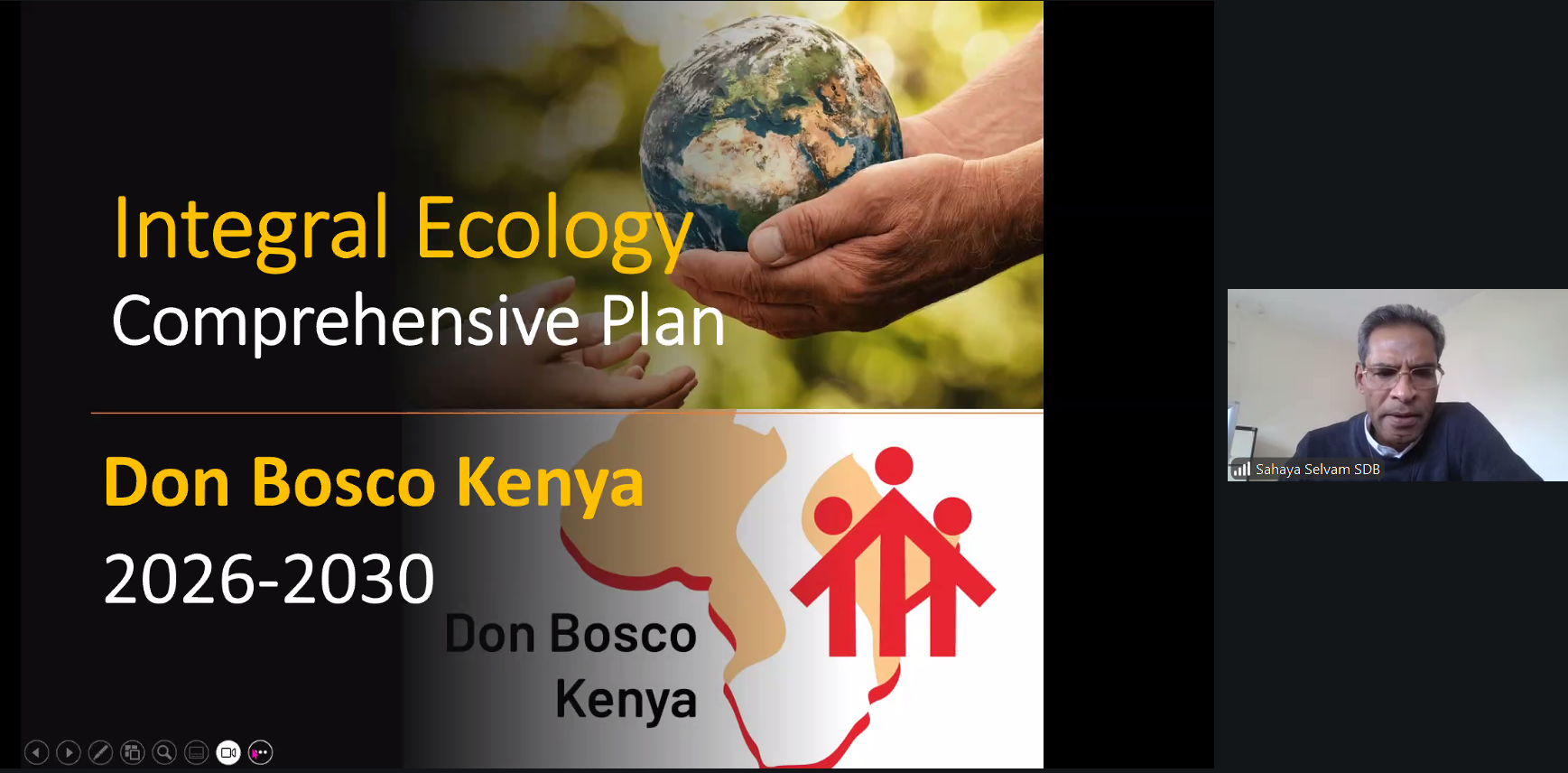
Fr. Sahaya Selvam presented the Integral Ecology Plan for Don Bosco institutions in Kenya, outlining a five-year approach covering six pillars: energy management, carbon management, water management, waste management, sustainable agriculture, and ecological education. He highlighted specific projects, including a solar transition program aiming for 100% off-grid status by 2028, a successful macadamia and avocado tree planting initiative, and various waste management and water conservation efforts.
In his closing remarks, Br. John Njuguna, Deputy Director of Don Bosco Tech Africa, called on stakeholders to remain committed to practical action, collaboration, and accountability in building inclusive and sustainable TVET systems across Africa.



 English
 Français
 Português
 Kiswahili