
Household Electrician Bootcamp
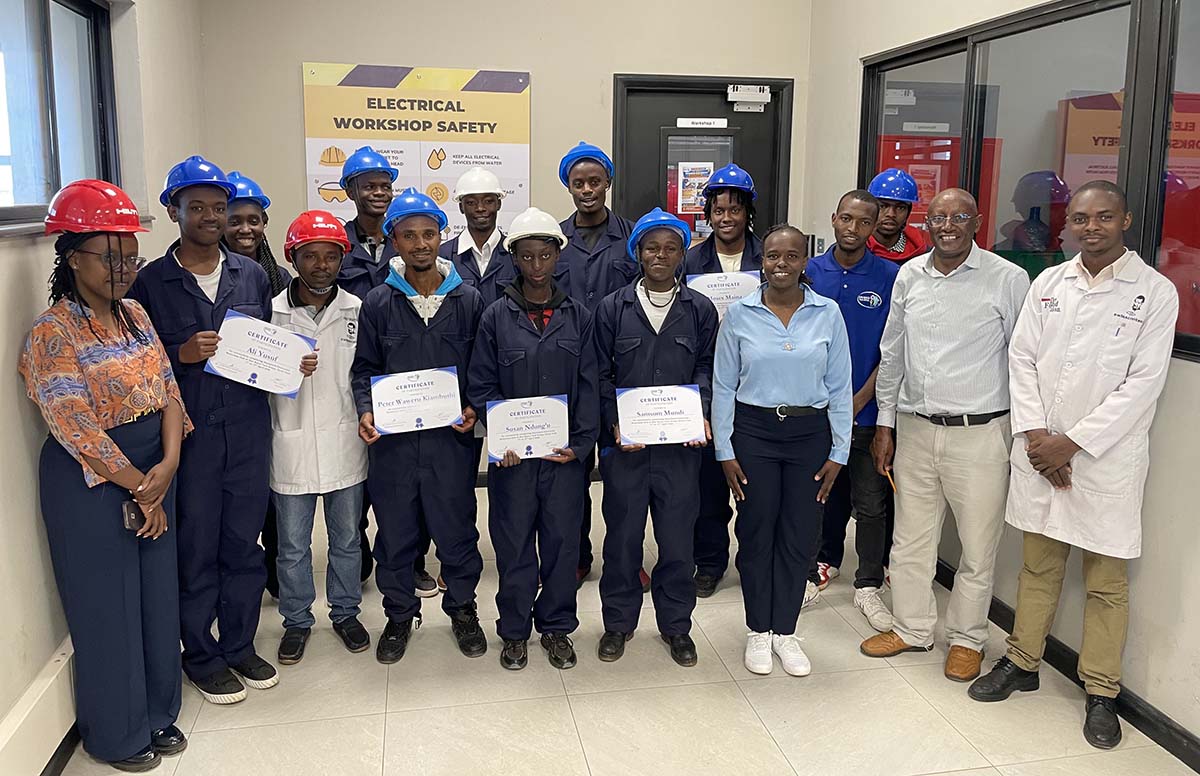
From 7th to 17th April 2026, Don Bosco Tech Africa organised a 10-day Household Electrician Bootcamp at Don Bosco Tech Kenya, Karen. The practical training targeted young people who are Not in Employment, Education or Training (NEET), reaffirming the organisation’s commitment to creating pathways to skills development and decent work for vulnerable and marginalized youth.
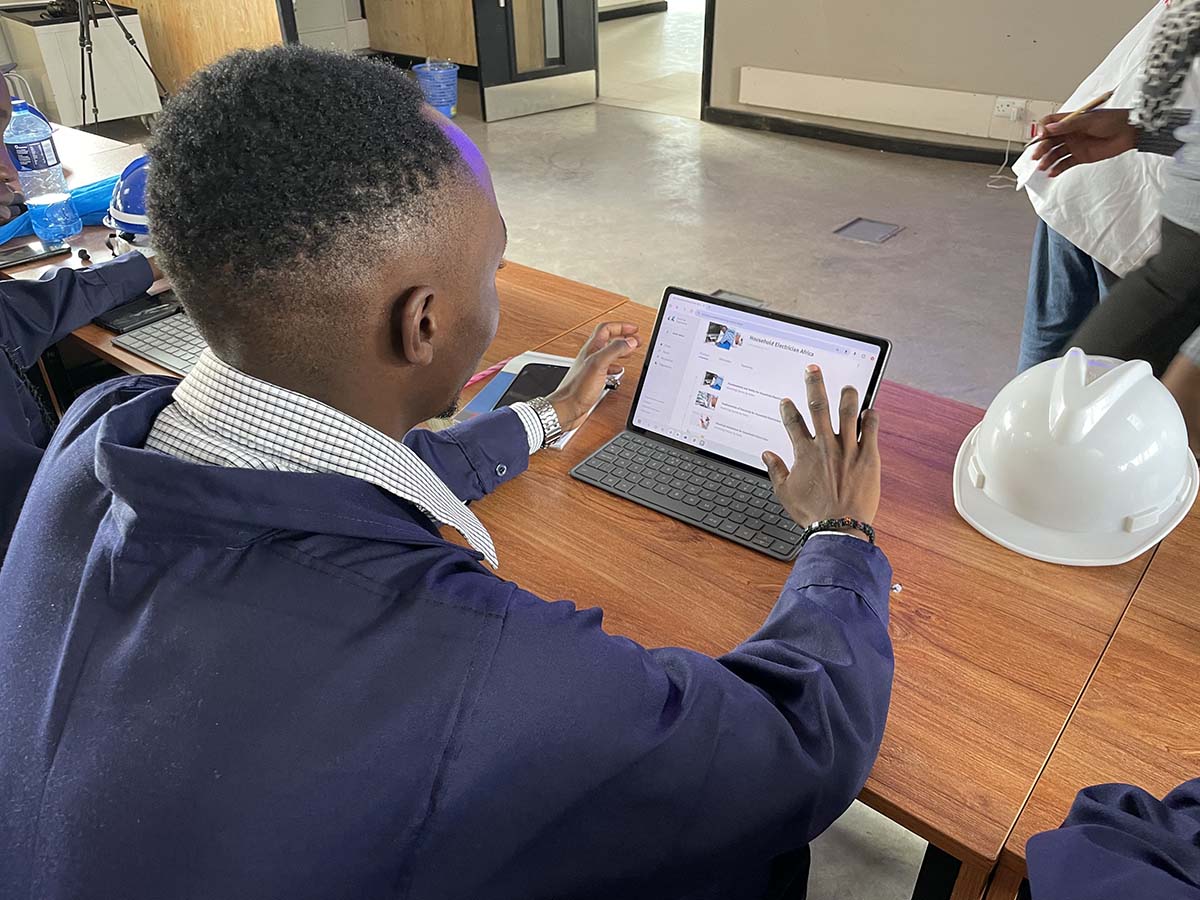
The bootcamp forms part of the Household Electrician course jointly developed by Don Bosco Tech Africa and Festo Didactic. The programme was designed to respond to the growing need for market-relevant technical skills while expanding opportunities for young people who often face barriers to education and employment. The course consists of seven online learning modules, with the bootcamp serving as the eighth module focused on hands-on practical training.
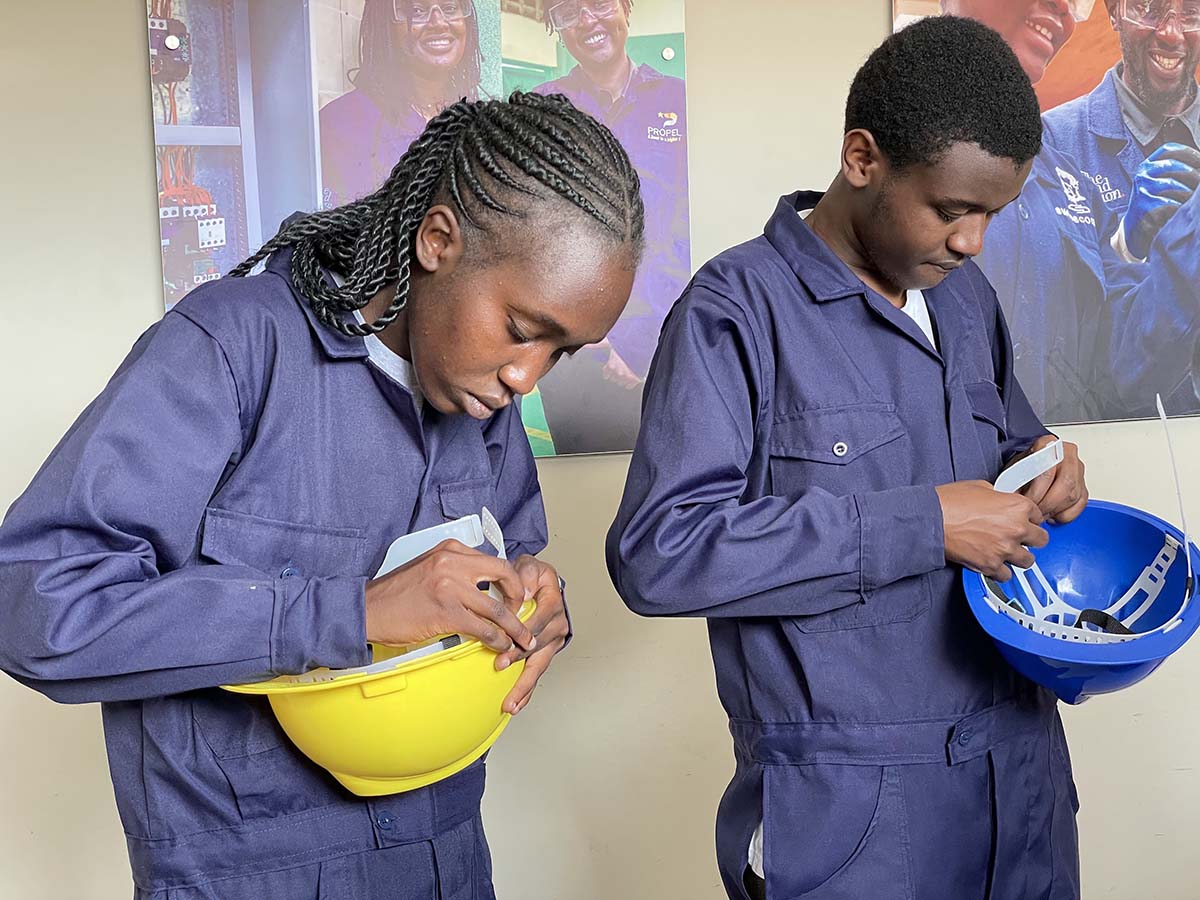
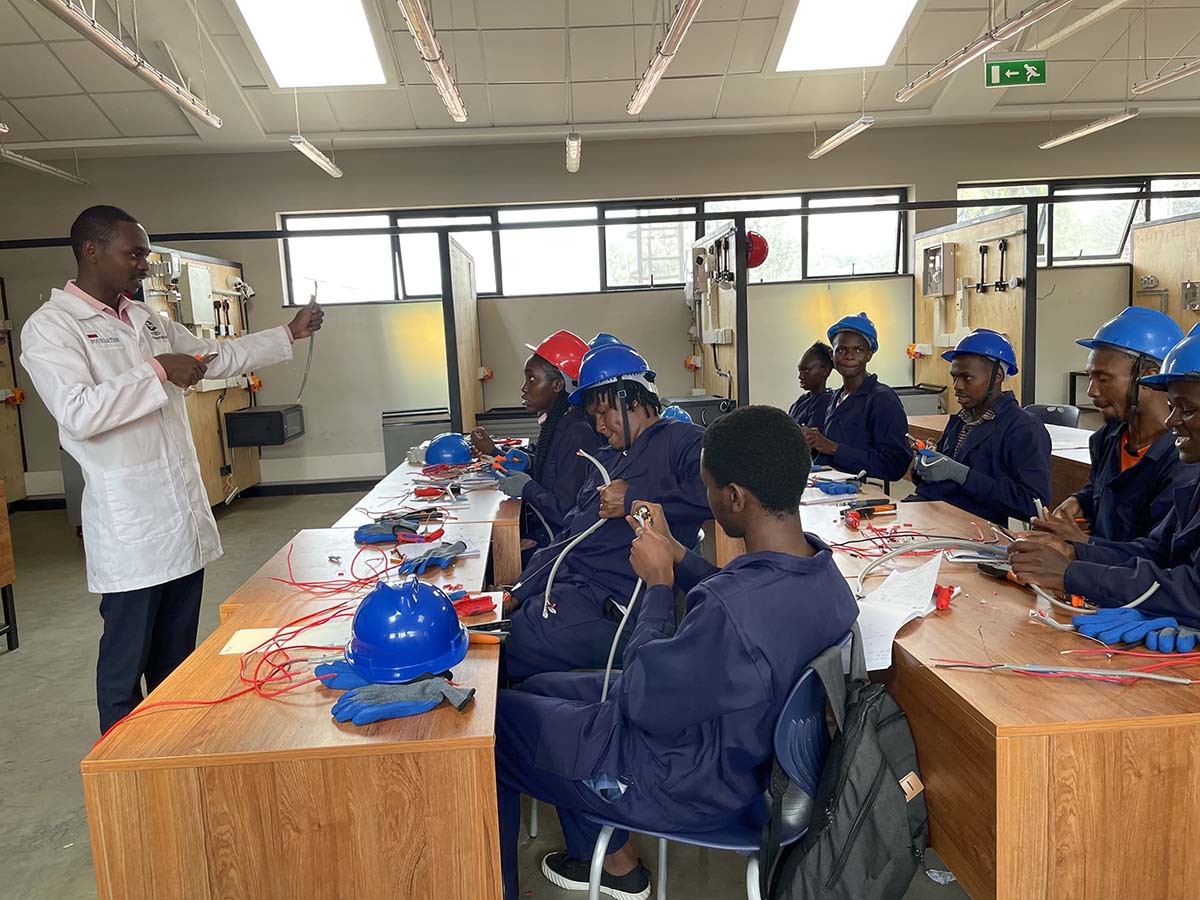
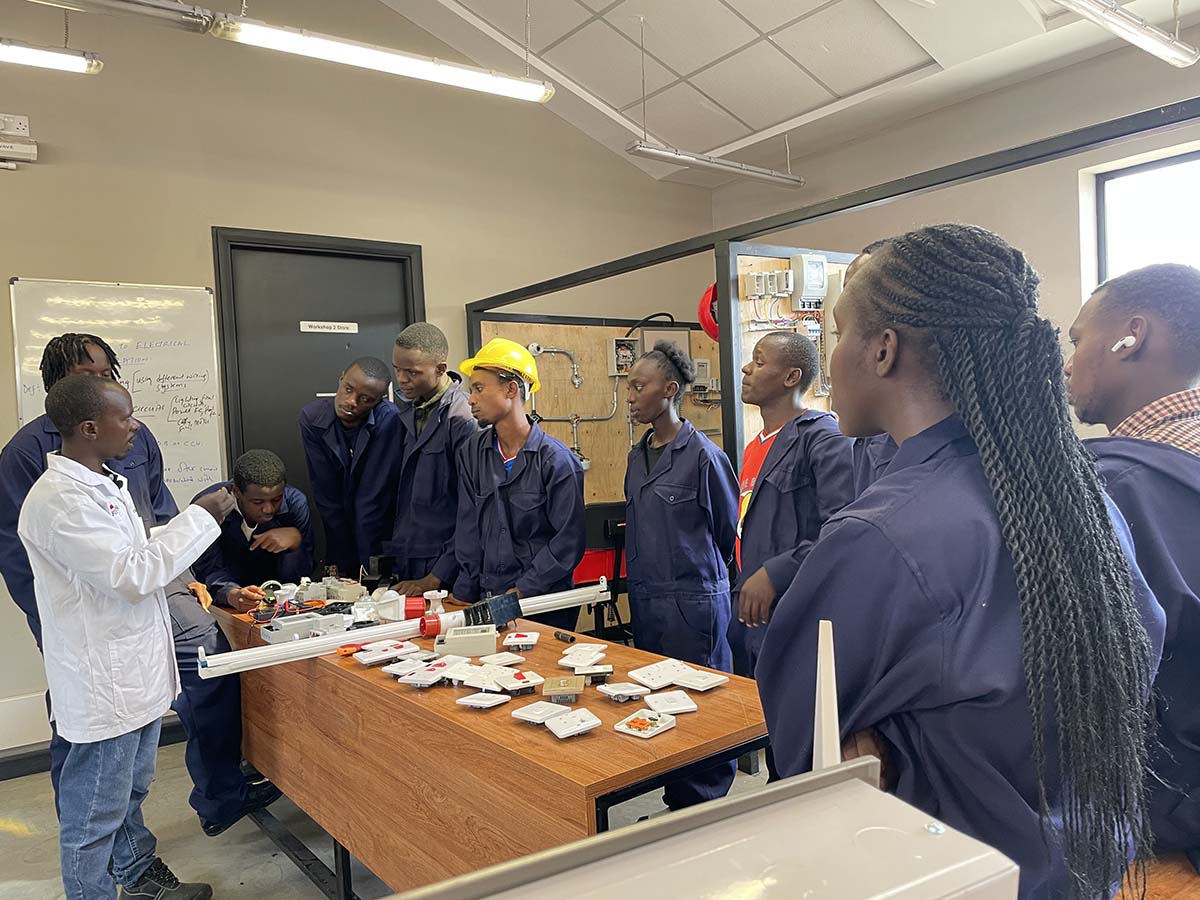
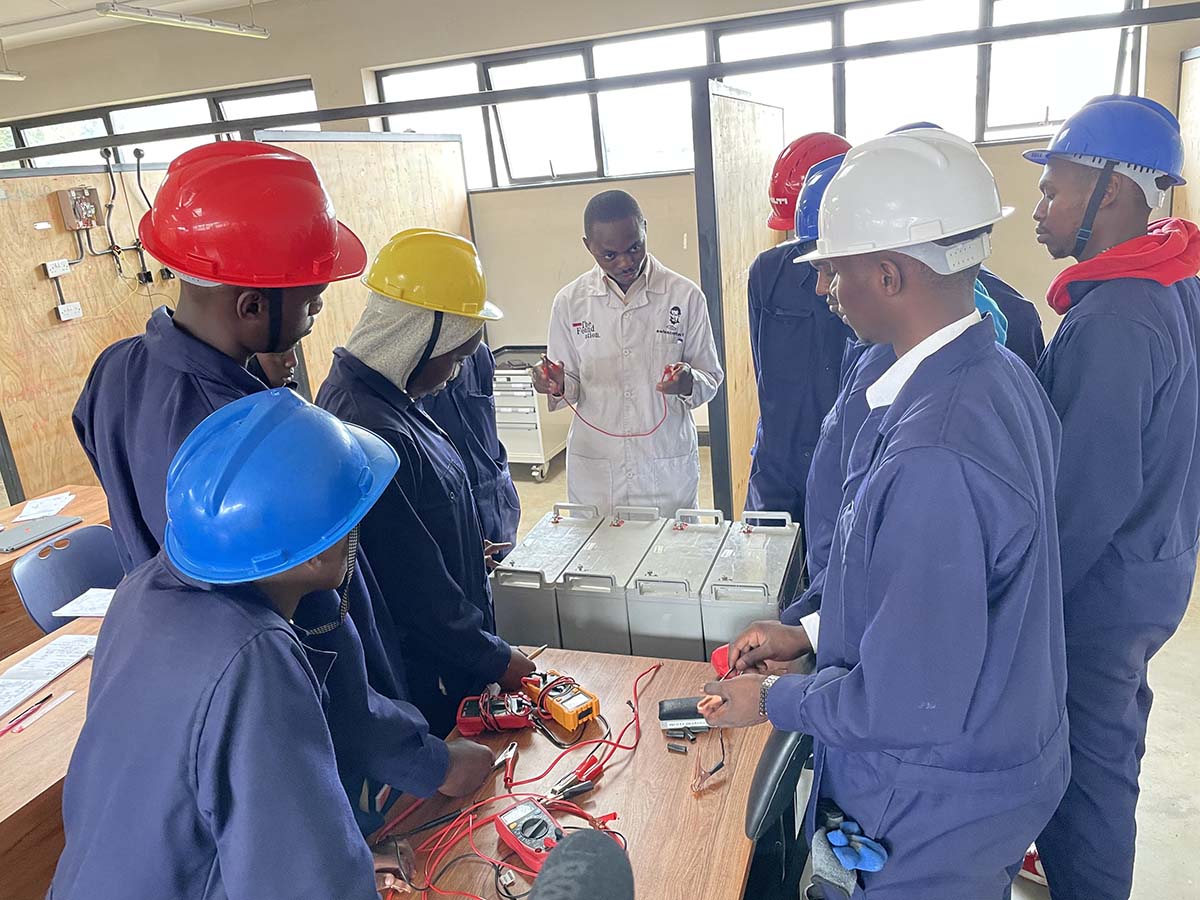
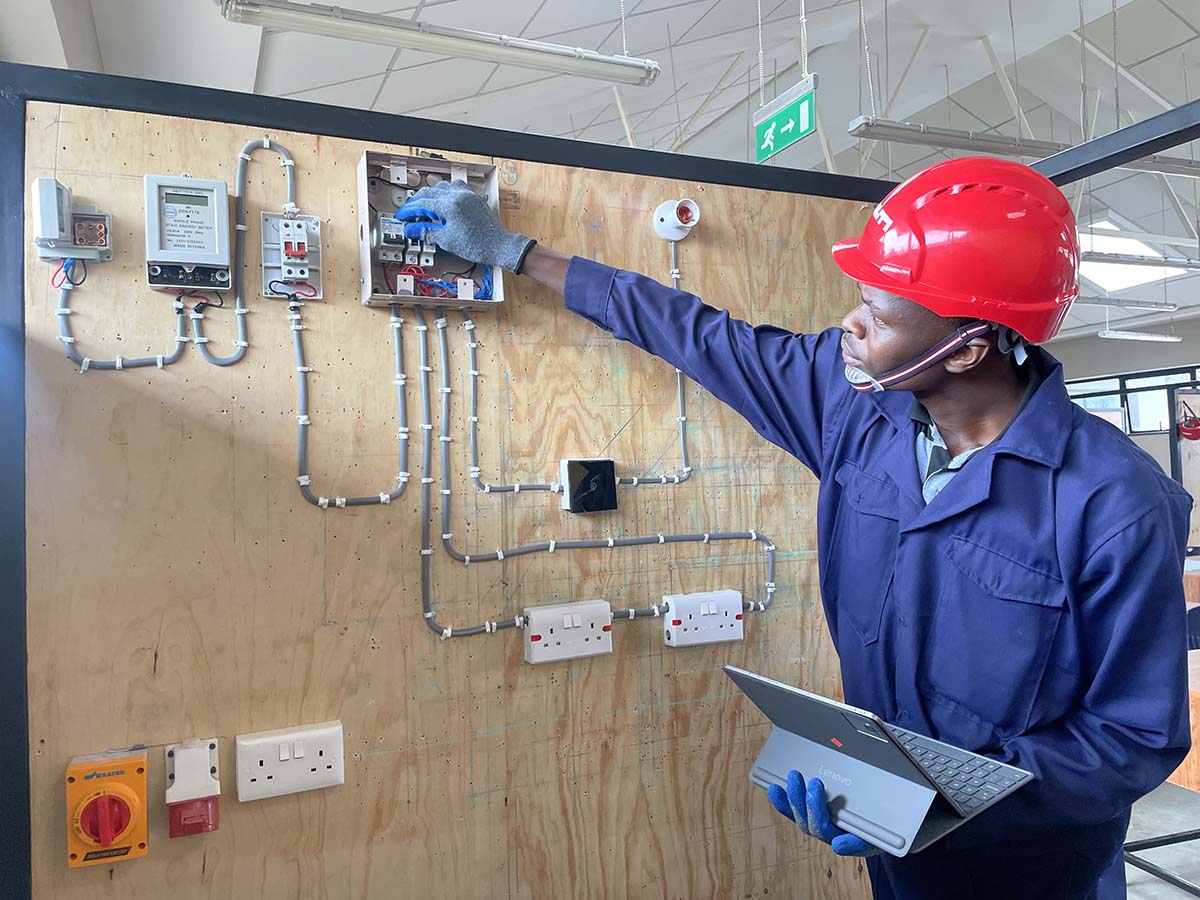
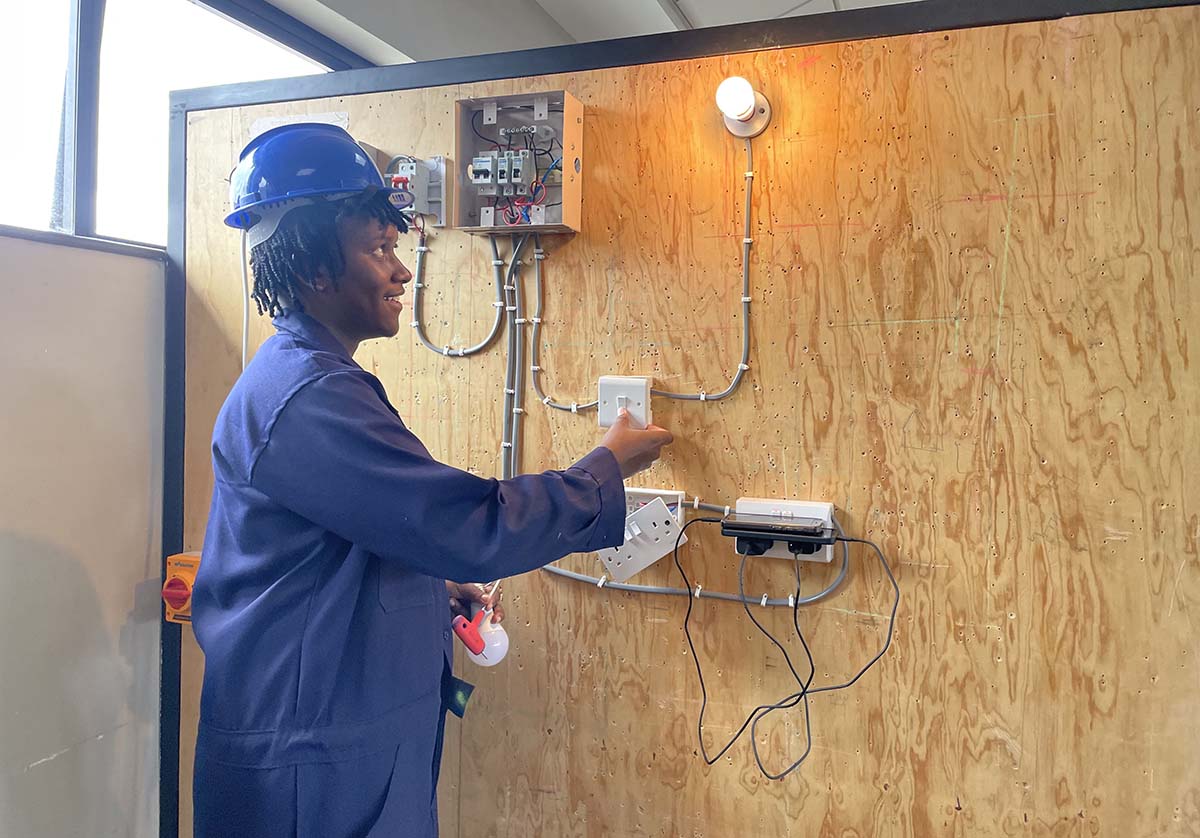
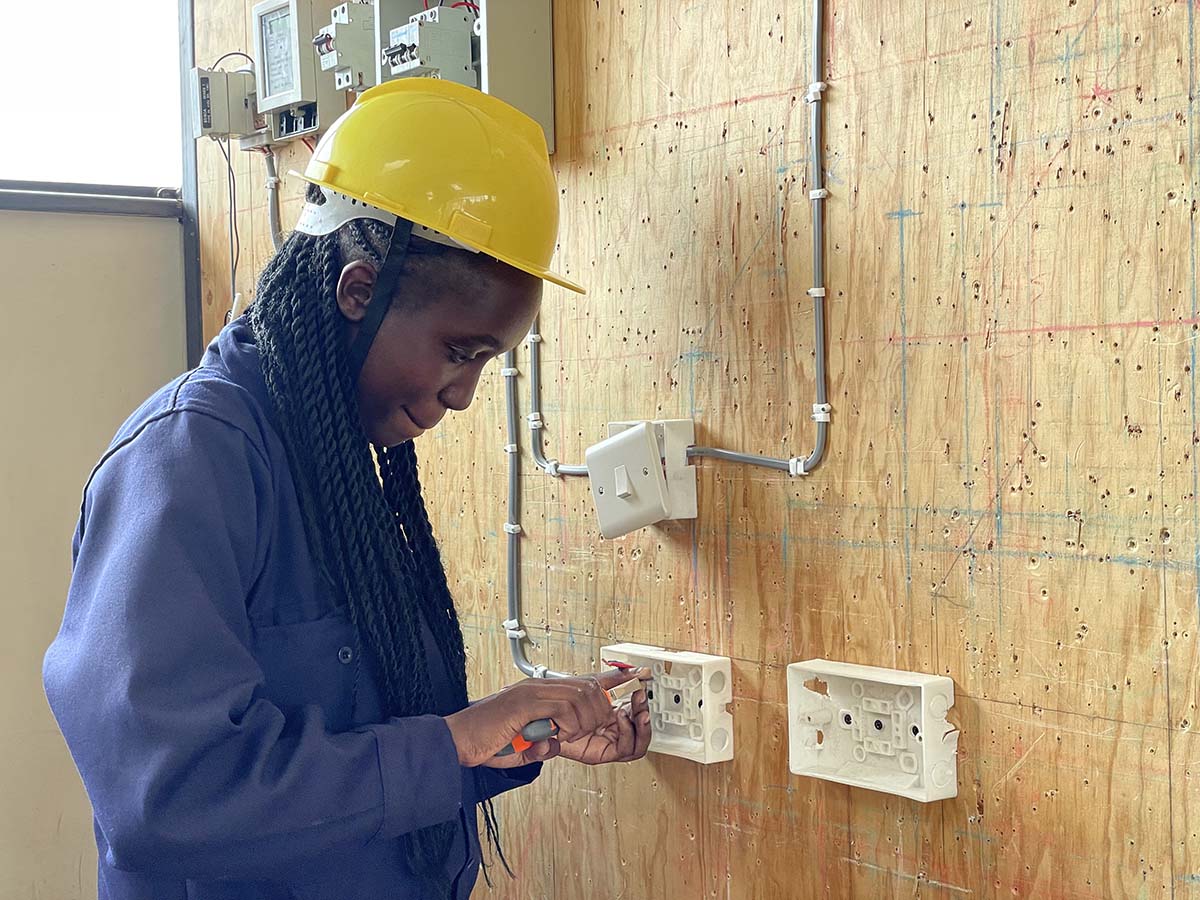
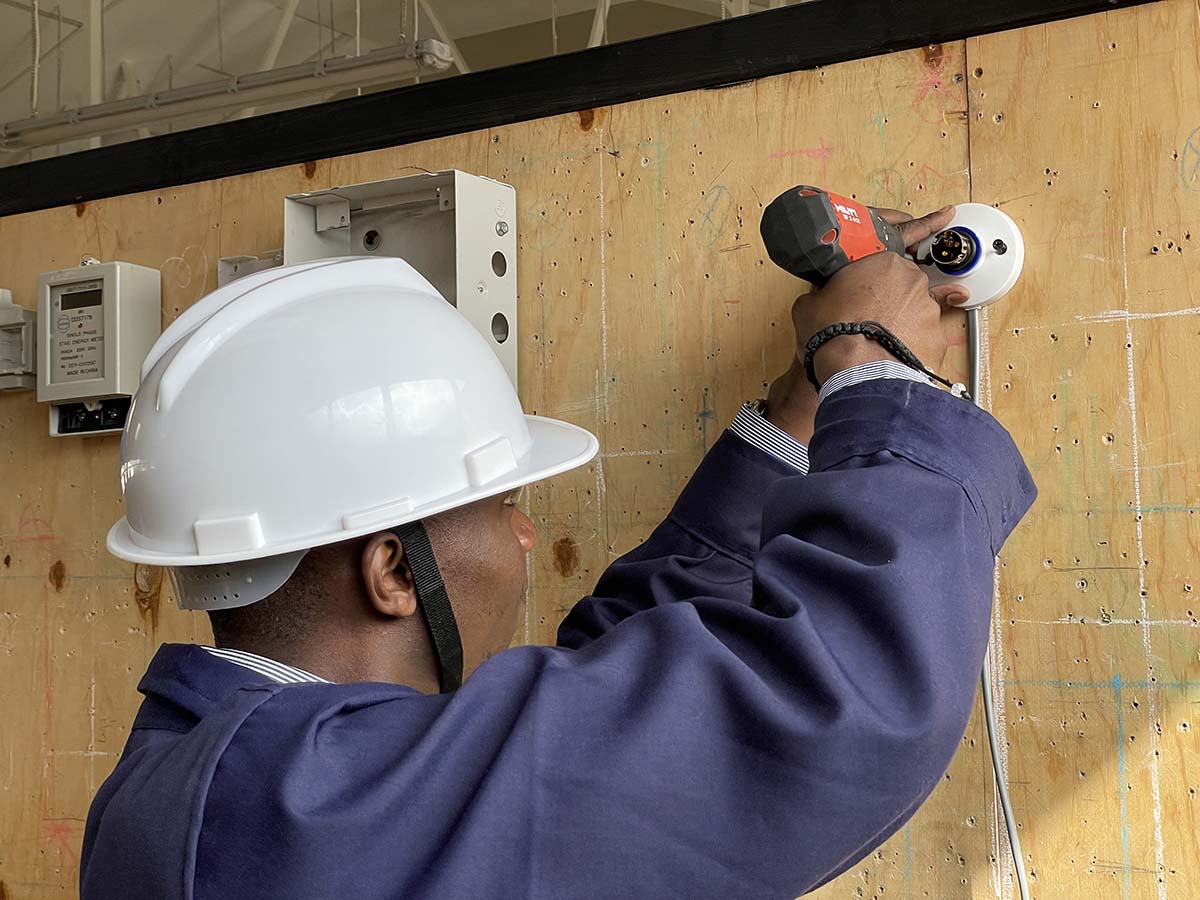
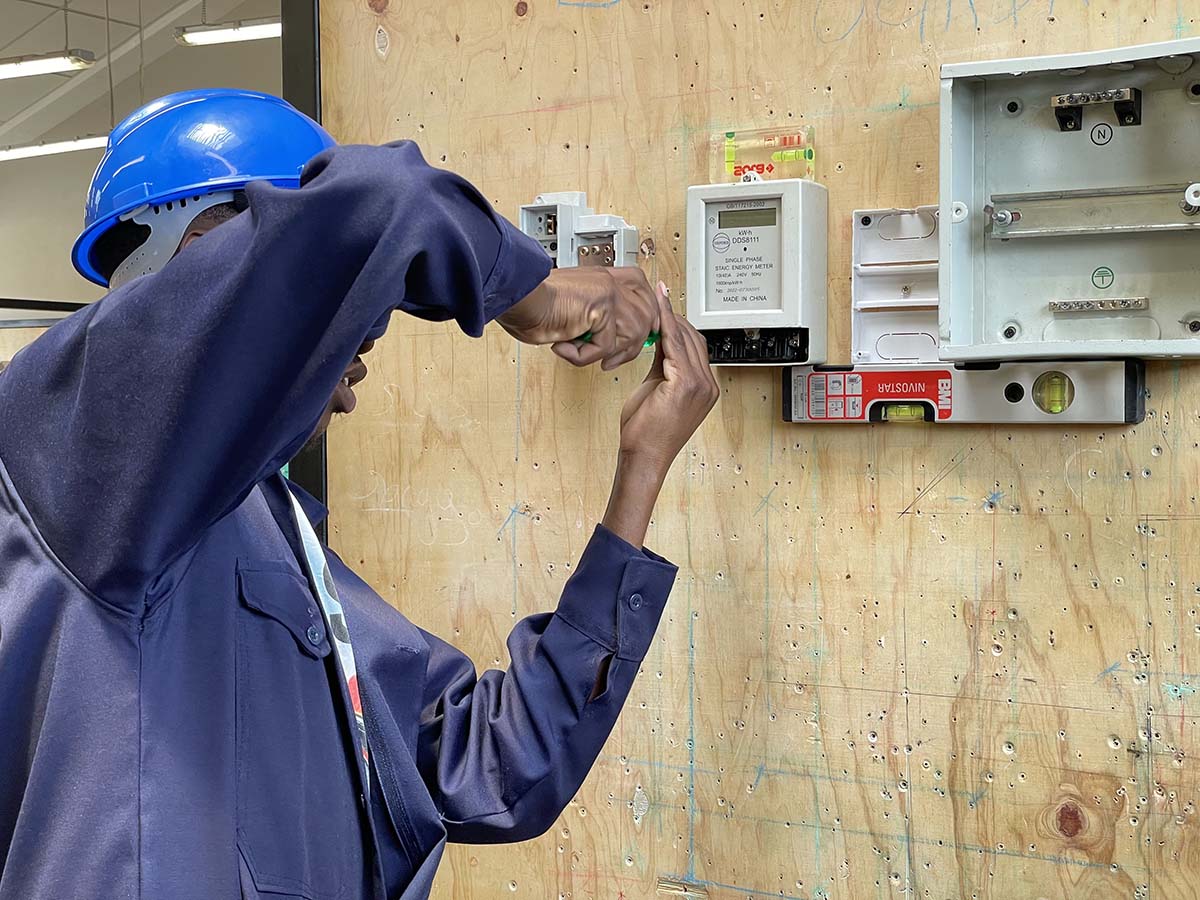
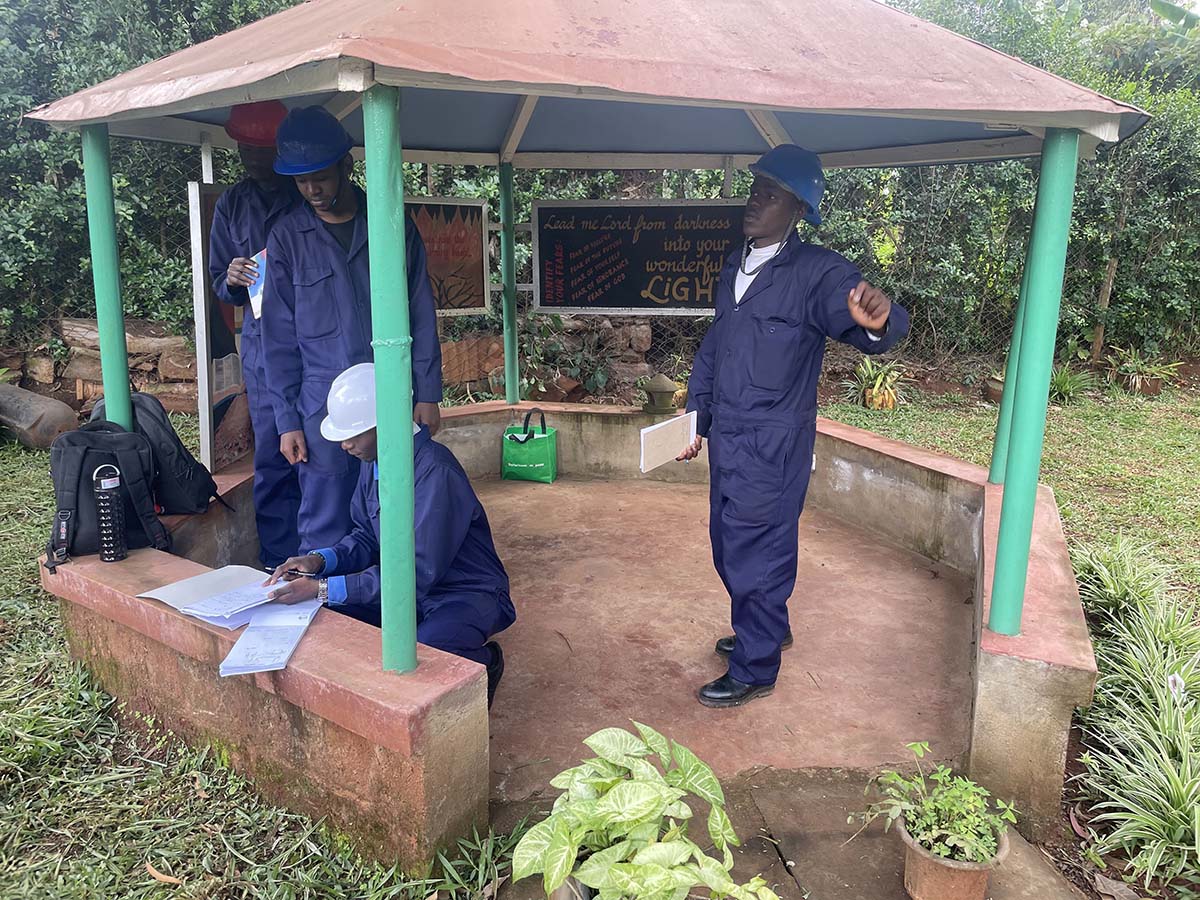
Ten trainees participated in the bootcamp, gaining foundational skills required for entry-level engagement in the electrical sector under strict supervision of an experienced electrician. The sessions covered were electrical workshop safety, identification and use of tools and accessories, stripping cables and making cable joints, mounting distribution boards, circuit wiring, socket connection, preparation of electrical layouts and wiring diagrams, operation of smart home systems, and basic solar installation.
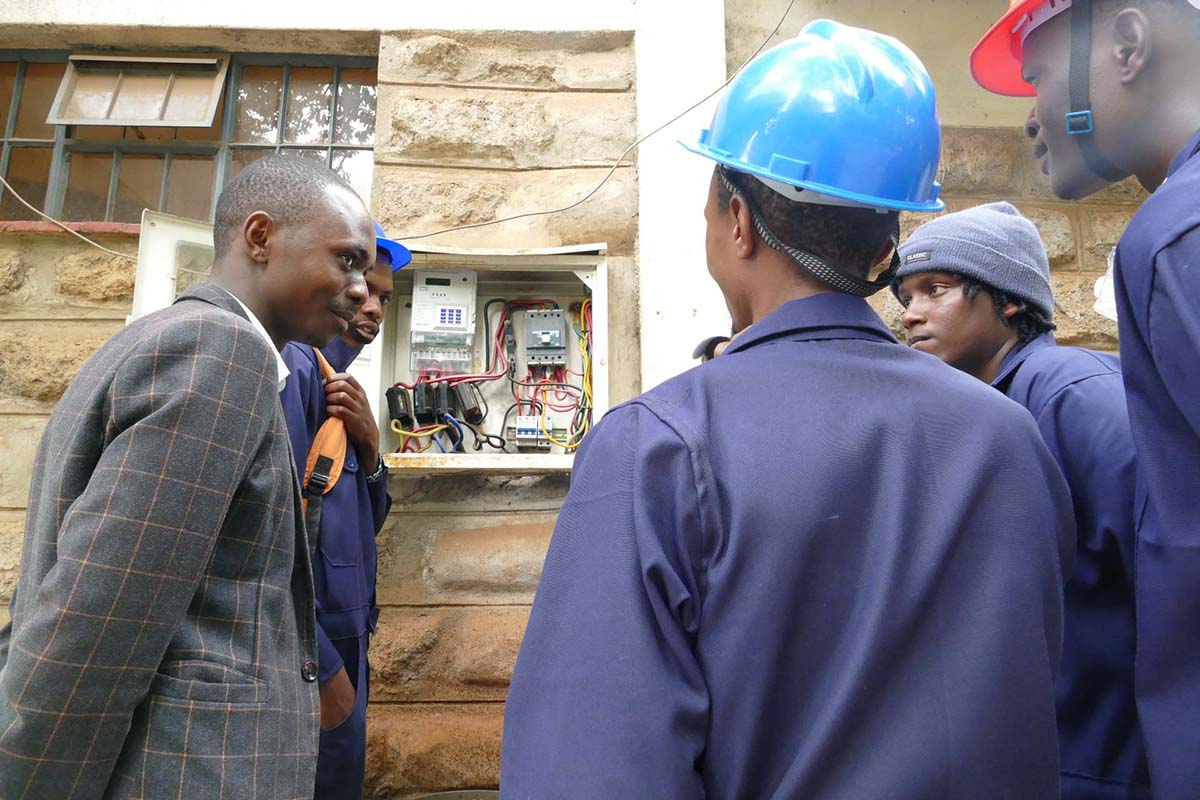
To strengthen practical exposure, participants also undertook a site visit where they observed real-world electrical installation practices. This experience enabled them to connect classroom learning with industry realities, while deepening their understanding of workplace standards and professional expectations.
This programme is one of many online and onsite training initiatives that will continue to be rolled out to expand access to skills development and equip more young people with practical, industry-relevant competencies.
The successful completion of the bootcamp reflects Don Bosco Tech Africa’s continued investment in innovative and inclusive TVET programmes that respond to labour market needs. By equipping young people with practical competencies and confidence, the initiative contributes to improved employability, self-reliance and long-term socio-economic inclusion.


 English
 Français
 Português
 Kiswahili