Africa’s efforts to prepare young people for employment, entrepreneurship and a changing world of work are entering a critical implementation phase. Across the continent, governments, TVET institutions, industry and development partners are being called to move beyond policy commitments and translate the Continental TVET Strategy 2025–2034 into practical reforms that improve the quality, relevance and accessibility of skills development.
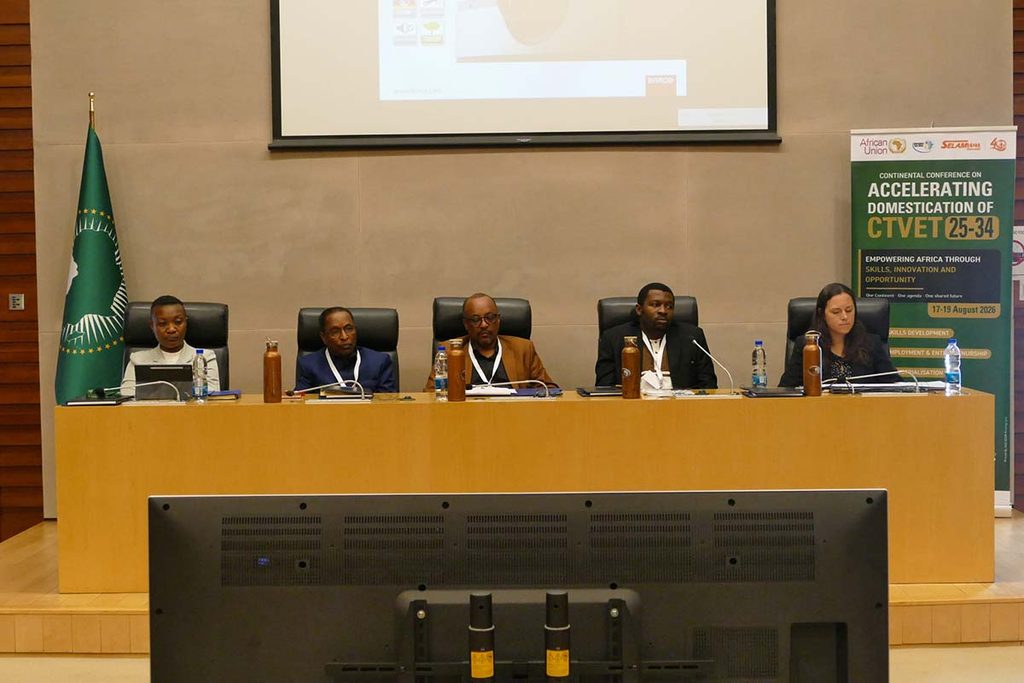
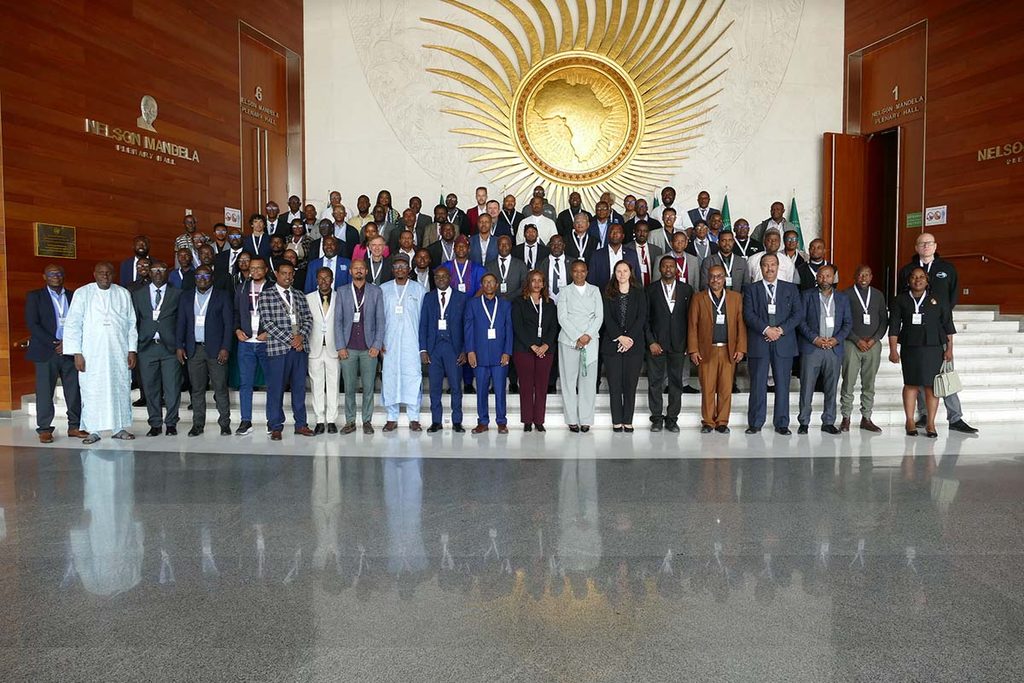
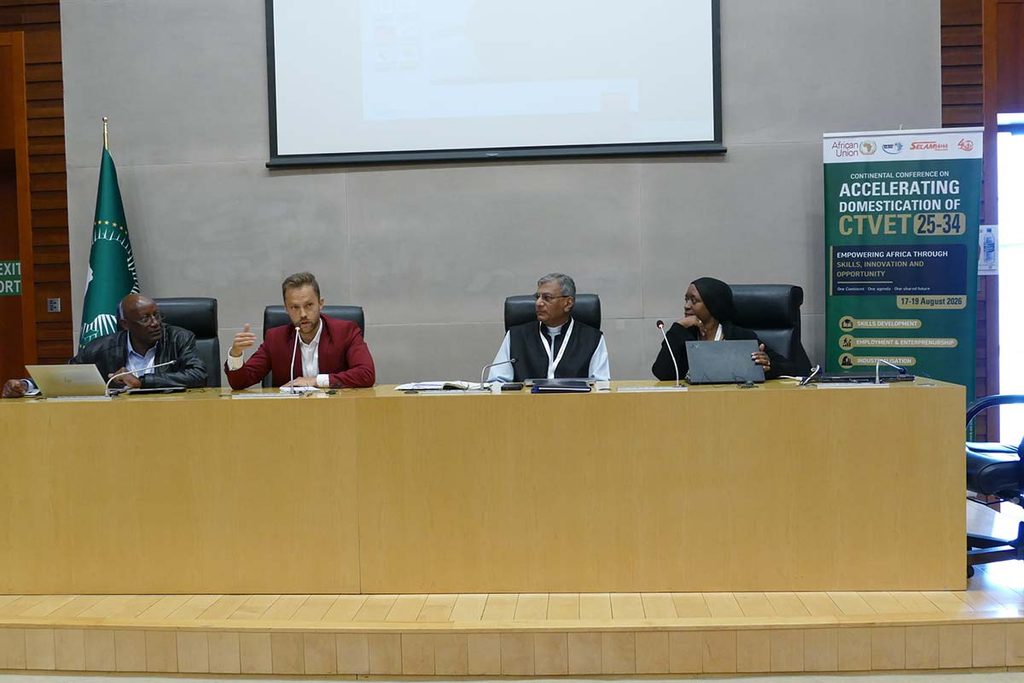
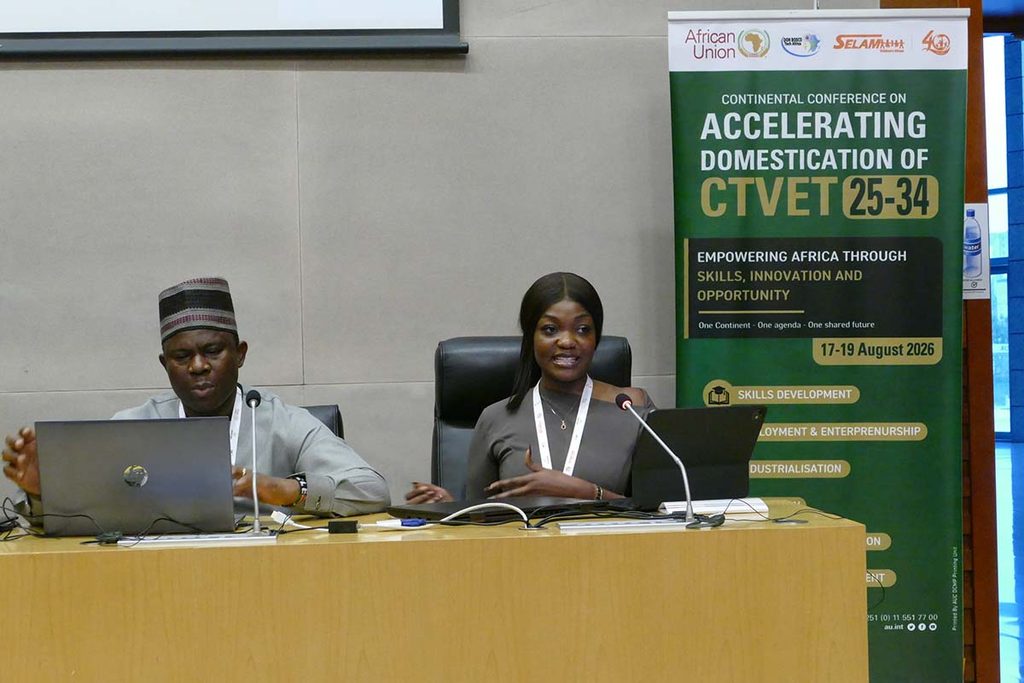
This was the focus of the Conference on Accelerating Domestication of the Continental TVET Strategy (2025–2034), convened by Don Bosco Tech Africa, in collaboration with the African Union Department of Education, Science, Technology and Innovation (ESTI) and Selam Children’s Village. Held from 17 to 21 August 2026 at the African Union Headquarters in Addis Ababa, Ethiopia, the conference was organised under the theme “Empowering Africa’s Youth through Harmonised and Strengthened TVET Systems for Sustainable Development” and formed part of the Don Bosco Tech Africa Annual Stakeholders’ Assembly 2026.
Designed as a five-day implementation journey, the programme moved from ALIGN to TRANSFORM, and finally ACT. The first three days focused on building a shared continental vision, examining practical approaches to system transformation and translating discussions into implementation pathways and commitments.
Participants agreed that domestication must go beyond adopting the Continental Strategy as a policy document. Its priorities must reach national systems and TVET institutions through coherent policies, institutional reforms, relevant curricula, quality assurance, sustainable financing, stronger monitoring and meaningful outcomes for young people. Persistent challenges identified included skills mismatches, fragmented governance, inadequate financing, limited equipment and infrastructure, unequal access and weak connections between training and industry.
Don Bosco Tech Africa featured prominently in these discussions, drawing on its experience across the continent to demonstrate how continental and national priorities can be translated into institutional practice. Its contribution emphasised strategic planning aligned with national TVET priorities, stronger employer and alumni engagement, work-based learning, flexible training approaches, digital and green TVET, and accessibility, equity and inclusion. The Don Bosco Tech Africa experience in various countries demonstrated how institutional strategies can respond to national priorities while strengthening links with employers and labour-market needs.
The conference also brought together diverse experiences, perspectives and practical approaches from across Africa and beyond. Member States shared progress and lessons from their national TVET reforms, while development partners highlighted opportunities for collaboration, knowledge sharing, technical support and resource mobilisation. The private sector and industry representatives emphasised the importance of stronger engagement in curriculum development, apprenticeships, work-based learning and the identification of emerging skills needs. TVET practitioners and institutions shared practical experiences in strengthening quality, inclusion, institutional capacity and partnerships, while innovators highlighted the potential of digitalisation, artificial intelligence, green skills and other emerging approaches to transform skills development. Together, these contributions reinforced the importance of learning from what is already working, adapting solutions to different national and institutional contexts, and building stronger partnerships to accelerate the domestication of the Continental TVET Strategy.
A recurring message was that industry must move from being consulted to becoming a genuine partner and co-owner of skills development. Participants called for deeper industry participation in curriculum development, occupational standards, apprenticeships, work-based learning and skills intelligence. They also stressed the importance of digitalisation, artificial intelligence, green skills, reliable data, stronger quality systems and Recognition of Prior Learning in preparing TVET systems for future labour-market demands.
Participants also discussed financing, accountability and adaptive learning, focusing on the practical requirements for implementation, including clear roles, realistic financing, social dialogue, measurable milestones, transparent reporting and the ability to adapt based on evidence.
The discussions culminated in the adoption of the Conference Action Statement, providing a basis for continued collaboration and implementation. The final two days, under the Don Bosco Tech Africa Annual Stakeholders’ Assembly, focused on reflection, learning, planning and institutional commitments, culminating in the ASA 2026 Action Framework.
The Addis Ababa conference therefore provided a platform for connecting continental ambition with national experience and institutional action. Its next test will be implementation: sustaining partnerships, mobilising resources, strengthening accountability and adapting proven approaches to national realities so that the Continental TVET Strategy can deliver tangible opportunities for Africa’s young people.